info@vjscans.in|
 +91 958 5335 552


 info@vjscans.in| +91 958 5335 552


Don't let infertility affect your life! We offer advanced genetic testing to help you understand your reproductive health.
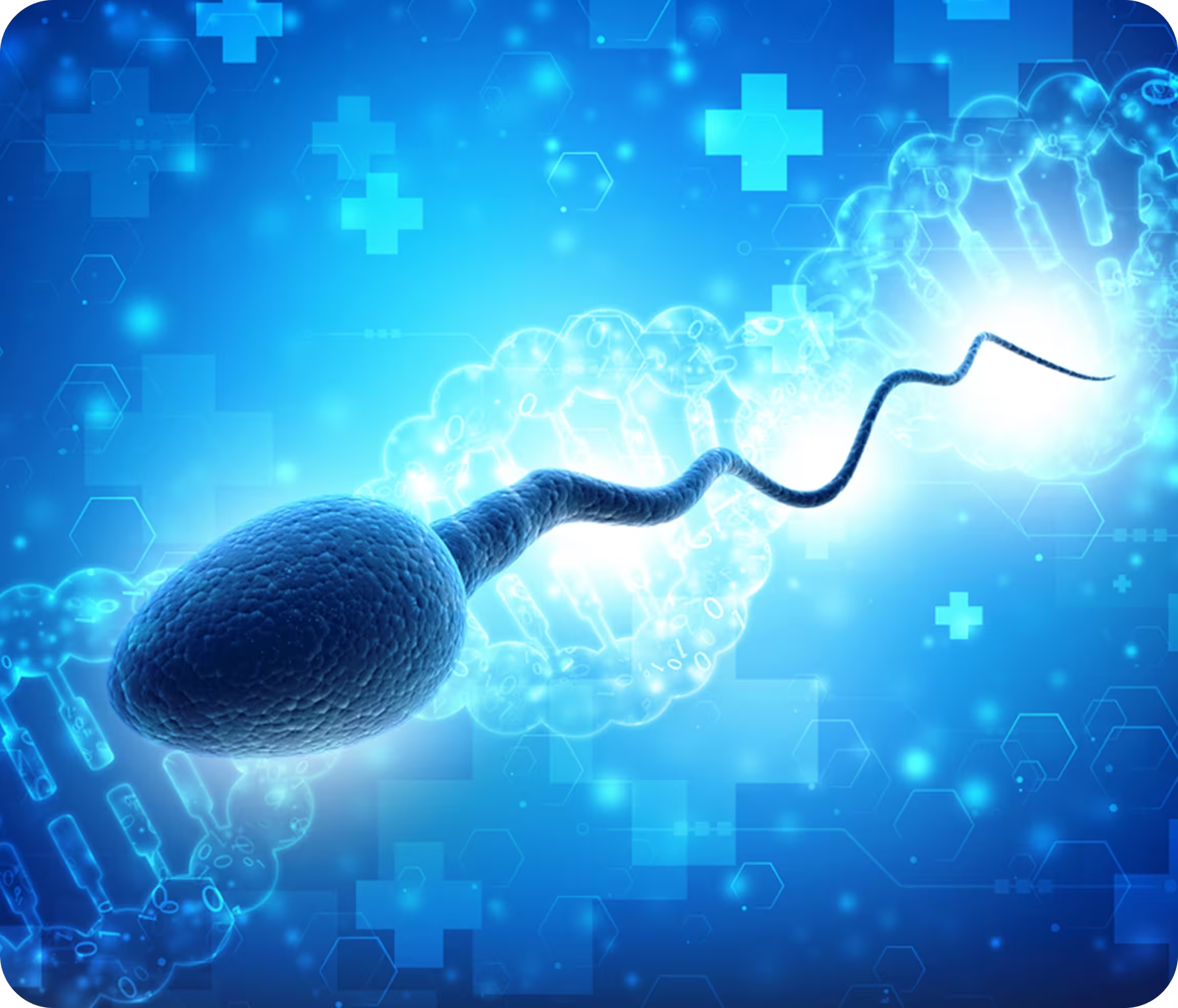
Sperm DNA fragmentation plays a significant role in male fertility and can directly affect pregnancy outcomes.
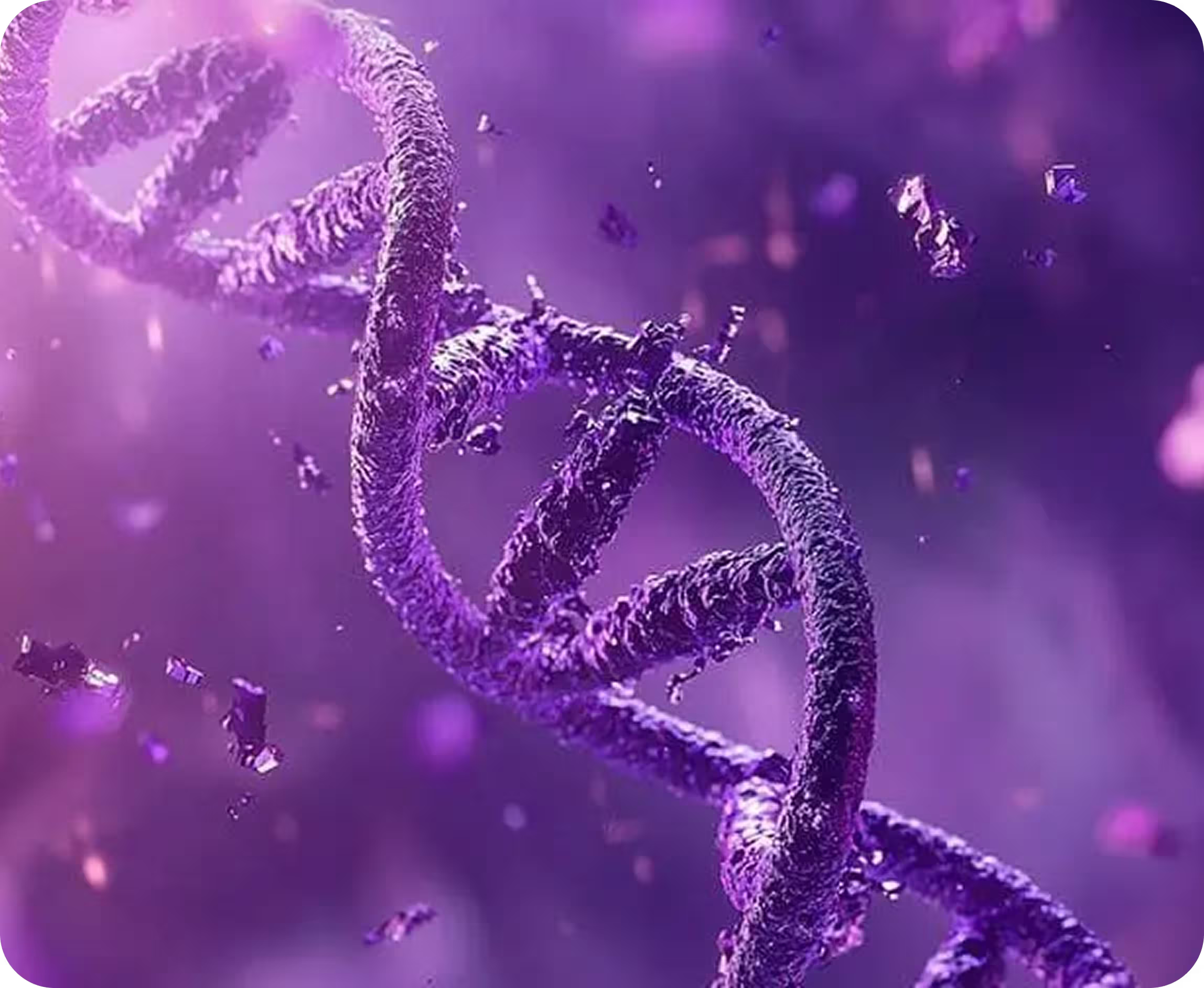
Understanding its causes and proper diagnosis is essential for effective treatment and for improving the chances of successful conception. Sperm DNA fragmentation refers to breaks or damage within the DNA strands of a sperm cell.
Elevated levels of DNA fragmentation may lead to reduced fertility, lower success rates with assisted reproductive techniques, and an increased risk of miscarriage or adverse pregnancy outcomes. Assessing sperm DNA integrity is therefore a critical component in the evaluation and management of male infertility.
Sperm DNA fragmentation is a multifactorial condition resulting from intrinsic and extrinsic influences that compromise sperm genomic integrity. The major contributing factors include:
 An imbalance between free radicals and antioxidants in the body can damage sperm DNA.
Exposure to toxins, chemicals, heat, or radiation can negatiely affect sperm health.
Smoking, alcohol consumption, obesity, and poor diet contribute to DNA fragmentation.
Inherited genetic conditions can disrupt sperm production and integrity.
Infections in the reproductive tract can impair sperm quality and DNA integrity.
Enlarged veins within the scrotum can raise testicular temperature, damaging sperm DNA.
DFI is the percentage of sperm that have broken or damaged DNA. A high DFI suggests poor sperm quality and may lead to infertility or unsuccessful pregnancy outcomes.
TUNEL Test: Uses fluorescent labeling to detect breaks in sperm DNA.
Comet Assay: Measures DNA damage based on the migration of DNA fragments during electrophoresis.
Fluorescence In Situ Hybridization (FISH): Detects chromosomal abnormalities associated with sperm DNA fragmentation.
Sperm aneuploidy testing analyzes the chromosomal makeup of sperm. Normal sperm should have 23 chromosomes. Aneuploidy occurs when there are too many or too few chromosomes, which can lead to infertility or genetic conditions in offspring.
This test helps doctors understand male fertility problems and genetic risks. Chromosomal abnormalities in sperm may be linked to age, environmental exposure, or inherited conditions. The results can help couples choose the best fertility treatment and decide if genetic counseling is needed.
Book a Home Visit
Customer Care