info@vjscans.in|
 +91 958 5335 552


 info@vjscans.in| +91 958 5335 552
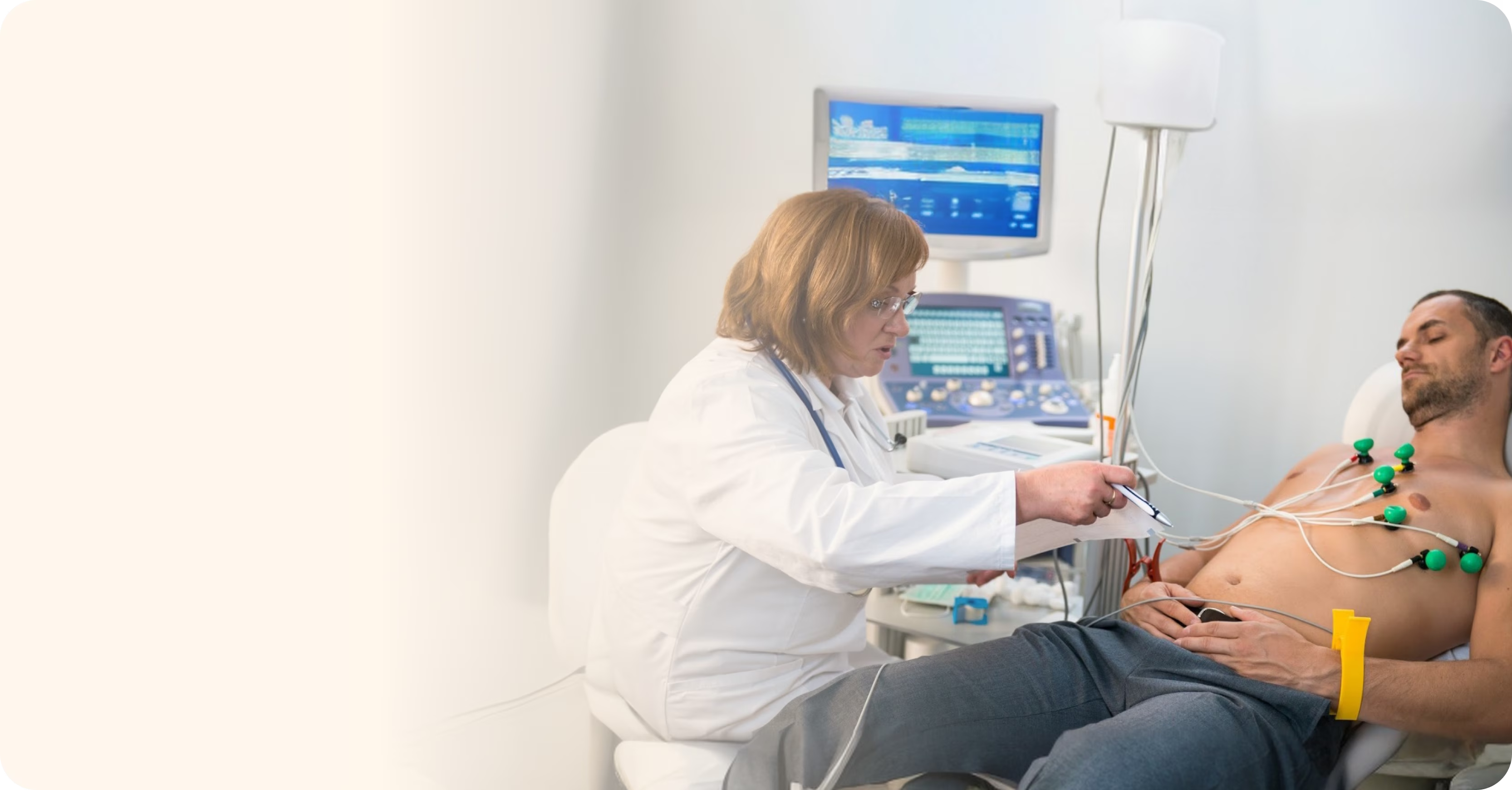
An Electrocardiogram (ECG) is a quick, simple, and non-
invasive test that measures and records the electrical
activity of your heart.
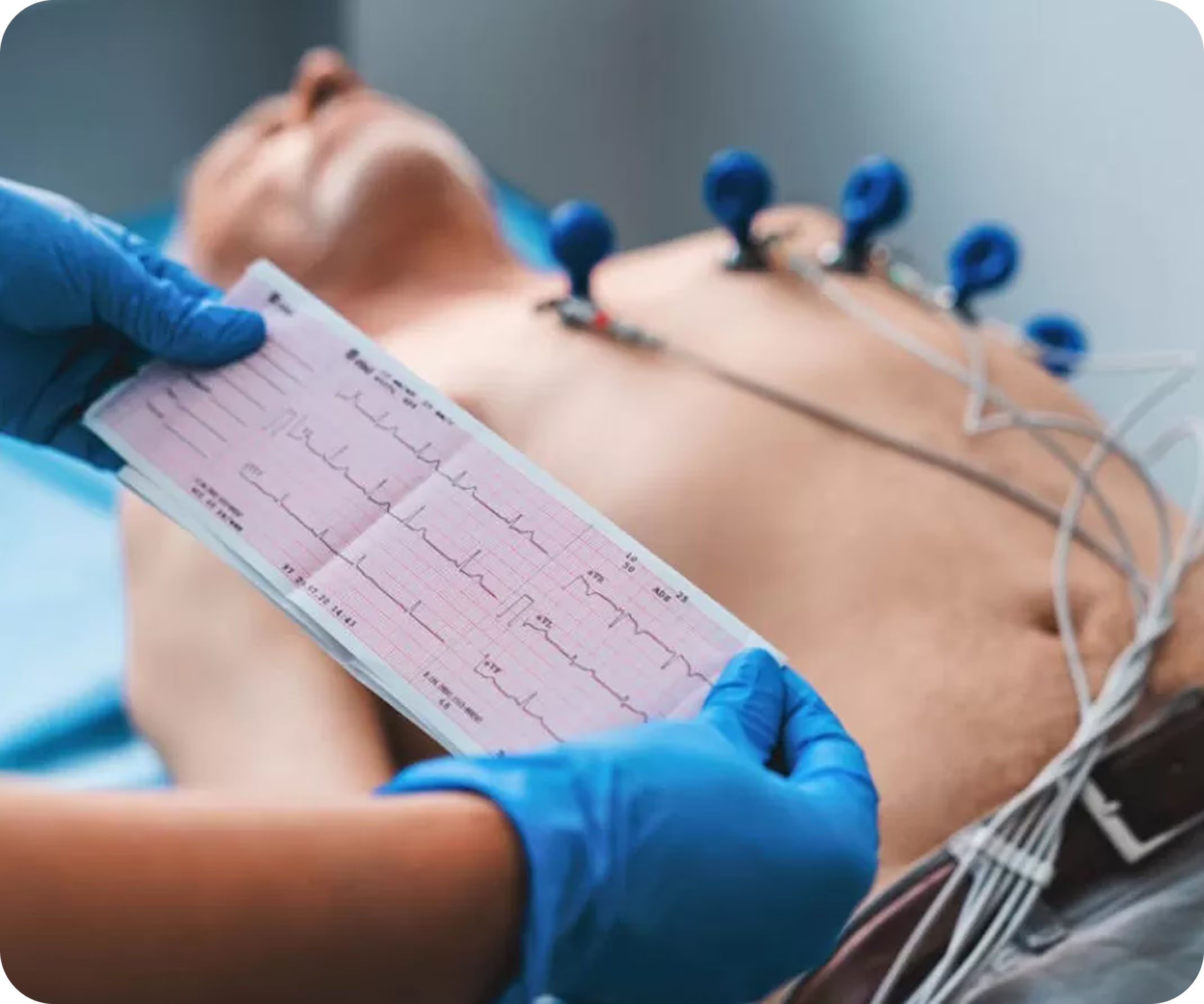
Electrocardiogram test is taken to test the electrical activity in the heart. It shows if the heart is functioning normally or not. ECG records the rhythm of the heart on a moving piece of graph paper and can be seen as a line on the screen. The doctors interpret the peaks and dip to evaluate the activity of the heart. The test is painless and safe and can be completed in a few minutes. It can detect cholesterol clogging, heart attack, heart enlargement and abnormal rhythms of the heart.
Electroencephalogram (EEG) is a test to measure the electrical activity of the brain. It records the brain wave patterns. EEG is taken to identify and monitor seizures. It is also used to identify other issues like sleep disorders and behavioural changes. It is used to assess the brain activity before heart or liver transplant and after a head injury.
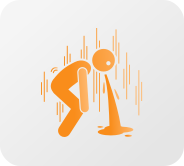
Your doctor might recommend the ECG test if you are experiencing the following symptoms-






Get clear, step-by-step guidance to help you understand what to expect before, during, and after your ECG test. This quick, simple heart test records your heart’s electrical activity to help your doctor assess your cardiac health.

An ECG (Electrocardiogram) is a simple, non-invasive test that records the electrical activity of your heart. It helps diagnose heart rhythm problems, heart attacks, heart disease, and other cardiac conditions. The test is painless and typically takes just a few minutes.
No, an ECG is completely painless. Small electrodes are placed on your chest, arms, and legs to detect electrical signals from your heart. You simply lie still during the test. The electrodes may feel slightly cool, but there's no discomfort.
A standard resting ECG takes only 5-10 minutes, including preparation time. The actual recording takes just a few seconds. If you're having a stress ECG (exercise ECG), the test may take 15-30 minutes.
Wear loose, comfortable clothing that allows easy access to your chest. Avoid oily or greasy skin lotions on the day of your test as they can interfere with electrode contact. Remove jewelry from your neck and arms. No fasting is required for a standard ECG.
ECG results are typically available immediately or within a few hours. A cardiologist will review your ECG and prepare a report. Your referring doctor will discuss the results with you and recommend any necessary follow-up care.
An ECG can detect irregular heart rhythms (arrhythmias), previous or ongoing heart attacks, coronary artery disease, heart valve problems, heart enlargement, and electrolyte imbalances. It's also used to monitor the effects of heart medications or devices like pacemakers.
Generally, you should continue taking your regular medications unless your doctor specifically advises otherwise. Some heart medications are important to detect on the ECG. Always bring a list of your current medications to your appointment.
For a resting ECG, avoid vigorous exercise immediately before the test as it can affect your heart rate and rhythm. Arrive a few minutes early to relax. For a stress ECG, your doctor will provide specific preparation instructions.
Book a Home Visit
Customer Care