info@vjscans.in
 +91 958 5335 552



Introduction
Magnetic Resonance Imaging (MRI) is a powerful diagnostic tool that has revolutionized modern medicine. However, many patients feel anxious or fearful when they hear they need an MRI scan. In this article, we’ll dive into what an MRI actually is, debunk common myths, and explain why it is considered one of the safest diagnostic procedures available today.
What is an MRI?
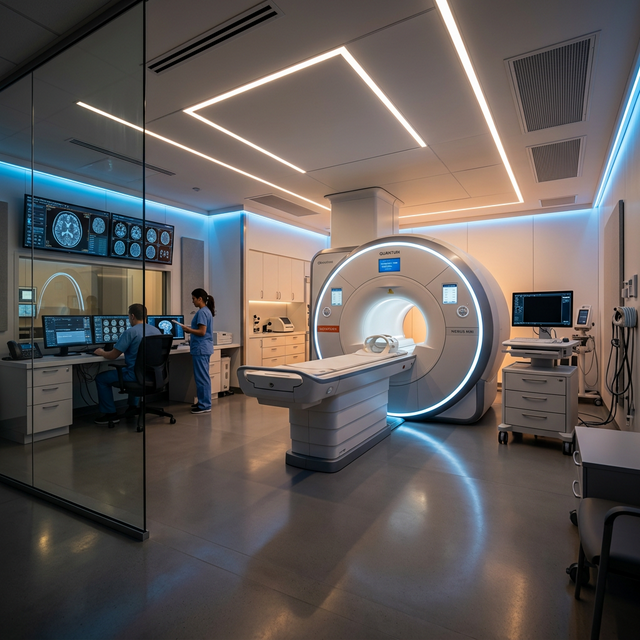
An MRI scan uses strong magnetic fields and radio waves to create highly detailed images of the organs and tissues within your body. Unlike X-rays, which use ionizing radiation, MRI machines rely on complex physics involving the alignment of atoms in your body. This allows doctors to see internal structures with incredible clarity, helping them diagnose everything from sports injuries to neurological conditions.
Is MRI Safe? Debunking Common Myths
Myth 1: "MRI can cause cancer."
Fact: This is one of the most persistent misconceptions. MRIs do not use ionizing radiation. Radiation from X-rays and CT scans carries a very small risk of cellular damage, but MRI uses radio waves—the same technology behind your car radio—which has no known link to cancer.
Myth 2: "MRI is only for brain or spinal issues."
Fact: While MRIs are the gold standard for imaging the brain and spine, they are incredibly versatile. They are used to examine joints, muscles, the heart, blood vessels, and abdominal organs. If your doctor needs a clear view of soft tissue, an MRI is often the best choice.
Myth 3: "MRI is painful or dangerous."
Fact: The procedure itself is completely non-invasive and painless. While some patients may find the machine's confinement or the loud clicking noises slightly uncomfortable, there is no physical pain involved. Modern labs like VJ Scans & Labs provide earplugs or music to help make the experience more pleasant.
MRI Safety Facts
- Non-invasive procedure: No needles or incisions are required for a standard MRI.
- No ionizing radiation: Completely safe for multiple uses over time.
- Pre-screening for metal implants: Because of the strong magnets, it is vital to inform your technician about any metal in your body (like shrapnel, clips, or implants) before entering the room.
Who Should Not Undergo an MRI?
While safe for most, some individuals with specific medical devices should avoid or take extra precautions with MRIs. This includes patients with pacemakers, certain cochlear implants, or older metallic stents that aren't "MRI conditional." Always disclose your full medical history during the screening process.
How to Prepare for an MRI
Preparation is simple. You'll usually be asked to wear comfortable clothing without metal zippers or buttons. You may need to fast for a few hours if your scan is for the abdomen. Most importantly, ensure you have removed all jewelry, watches, and cards with magnetic strips.
Conclusion
For the vast majority of people, an MRI is a safe, radiation-free, and essential part of maintaining health. If you have concerns, never hesitate to speak with your diagnostic team at VJ Scans & Labs. Knowledge is the best cure for fear.
Book your MRI at VJ Scans and Labs today to get accurate and safe diagnostic results.